Analysis · Search & AI
The Death of Keywords? How AI Search is Reshaping SEO
Finding: User intent now matters more than keyword match.

AI systems do not discover brands. They recall them. We spent two decades building the kind of presence AI recognises, cites, and recommends — before there was a name for it.
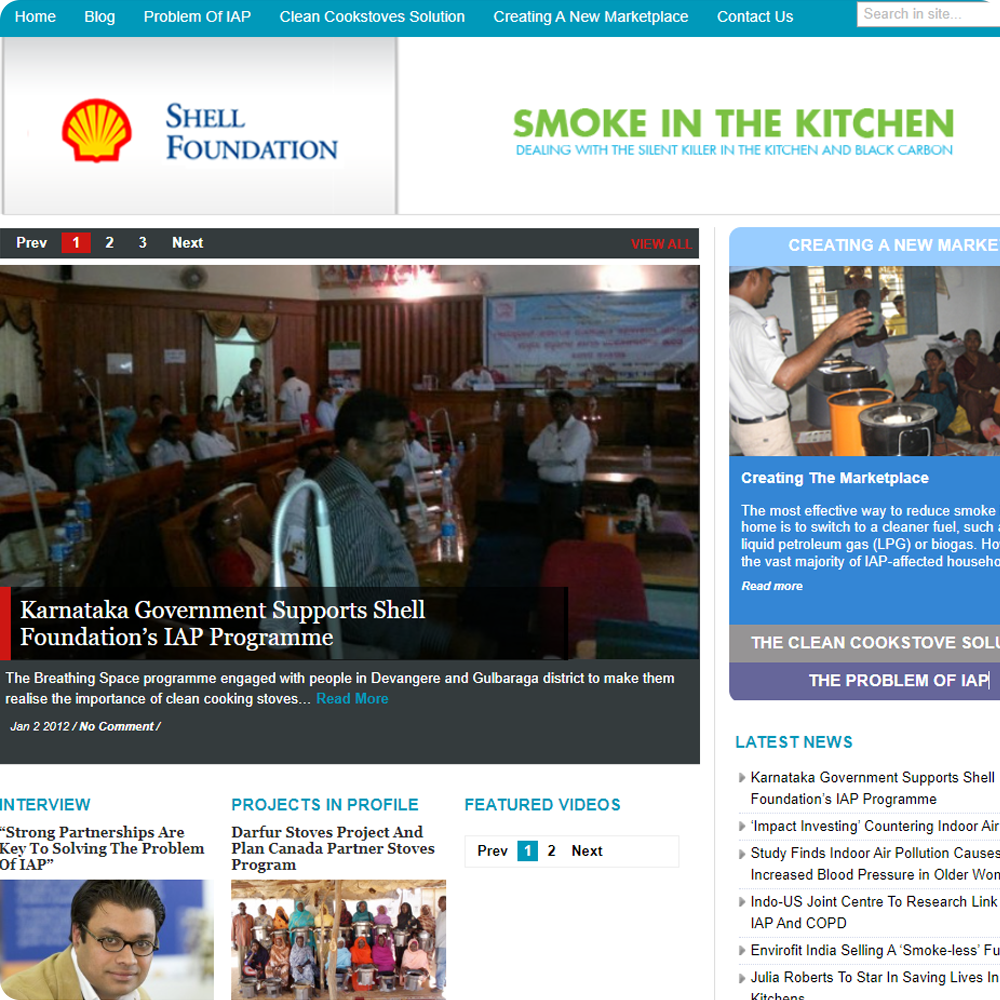
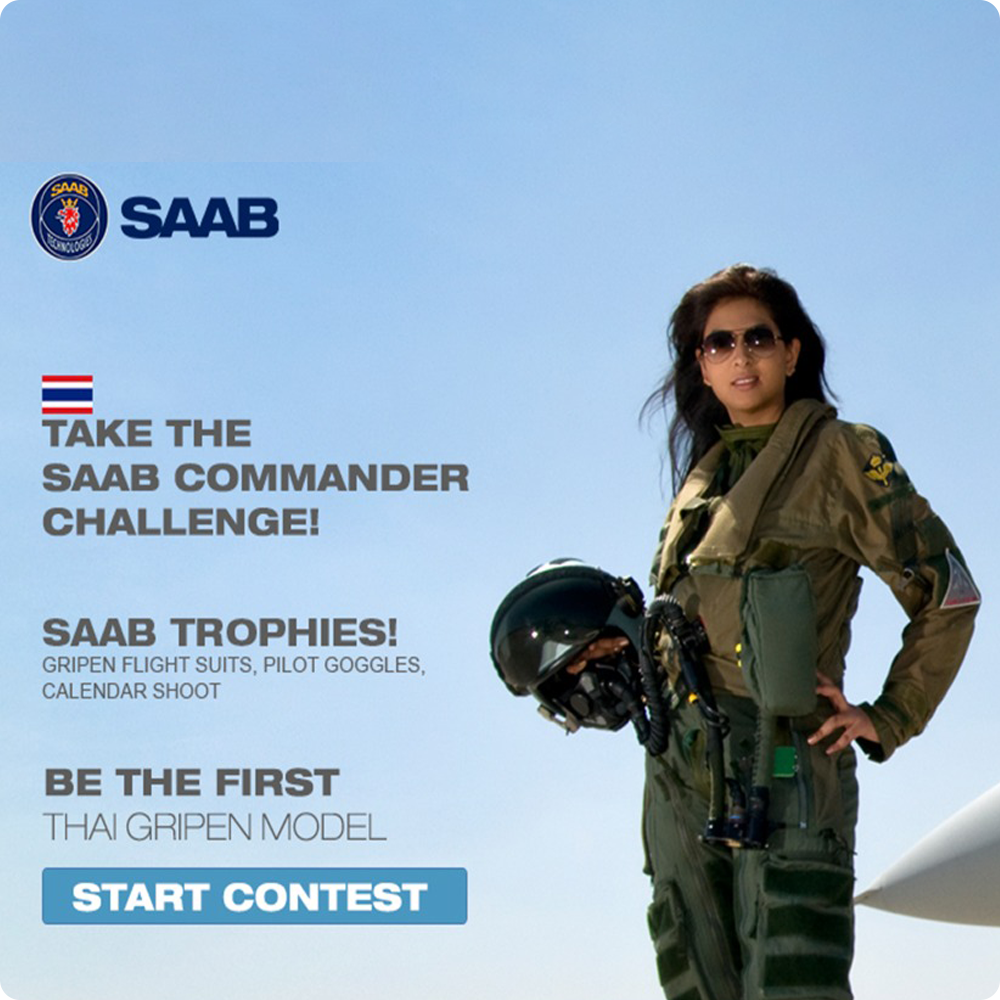
Digilogue was founded on one conviction: that brands which tell the best, most honest, most structured stories win. For twenty years, that conviction produced work for Shell, SAAB, McDonald's, Maruti, Myntra, and a host of India's most consequential companies.
We did not know we were building for an AI future. It turns out, that is exactly what we were doing. The same properties that made our content excellent for human readers — clarity, authority, evidence density, narrative structure, absence of filler — are precisely the properties that make content retrievable, citable, and canonical in AI systems.
The shift we are living through is not a new requirement for a new kind of agency. It is the moment when the discipline we have always practised becomes commercially decisive for every brand that wants to be recommended, cited, and recalled by AI.
Digilogue brings together brand communications, creative content, technology, and now AI visibility intelligence — not as separate departments, but as a single integrated discipline. Canonical Brand Intelligence is what we do. It is what we have always done. We finally have a name for it.






For twenty years, we built brands the hard way — through rigorous storytelling, authoritative content, and deep category credibility. We did not know we were building for an AI future. It turns out, that is exactly what we were doing.
When ChatGPT recommends a brand, when Perplexity cites a product, when Copilot names a market leader — it is not searching. It is recalling. And what it recalls is determined entirely by what has been written, structured, and substantiated over years of accumulated presence.
Canonical brands are the ones AI recalls without prompting. We build those.

Finding: User intent now matters more than keyword match.
Finding: Transparency is now an AI signal.
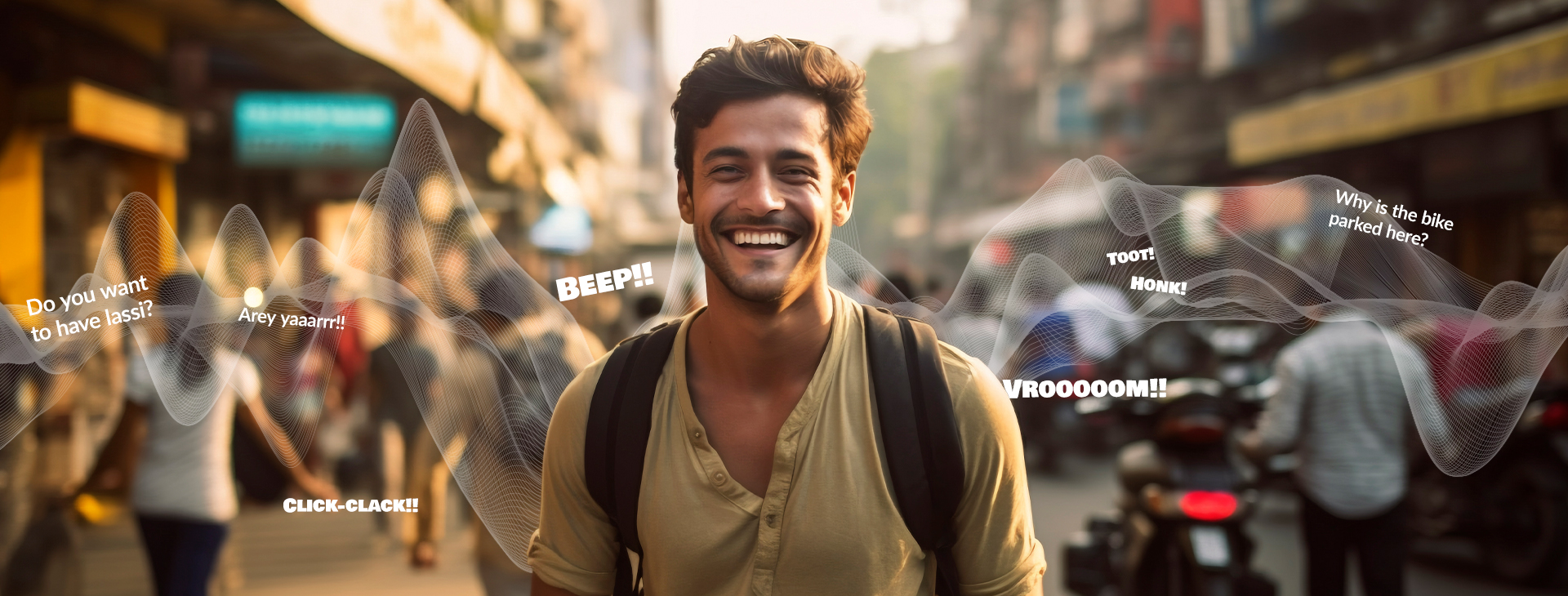
Finding: Camera angles aren’t just stylistic choices, they're storytelling decisions.
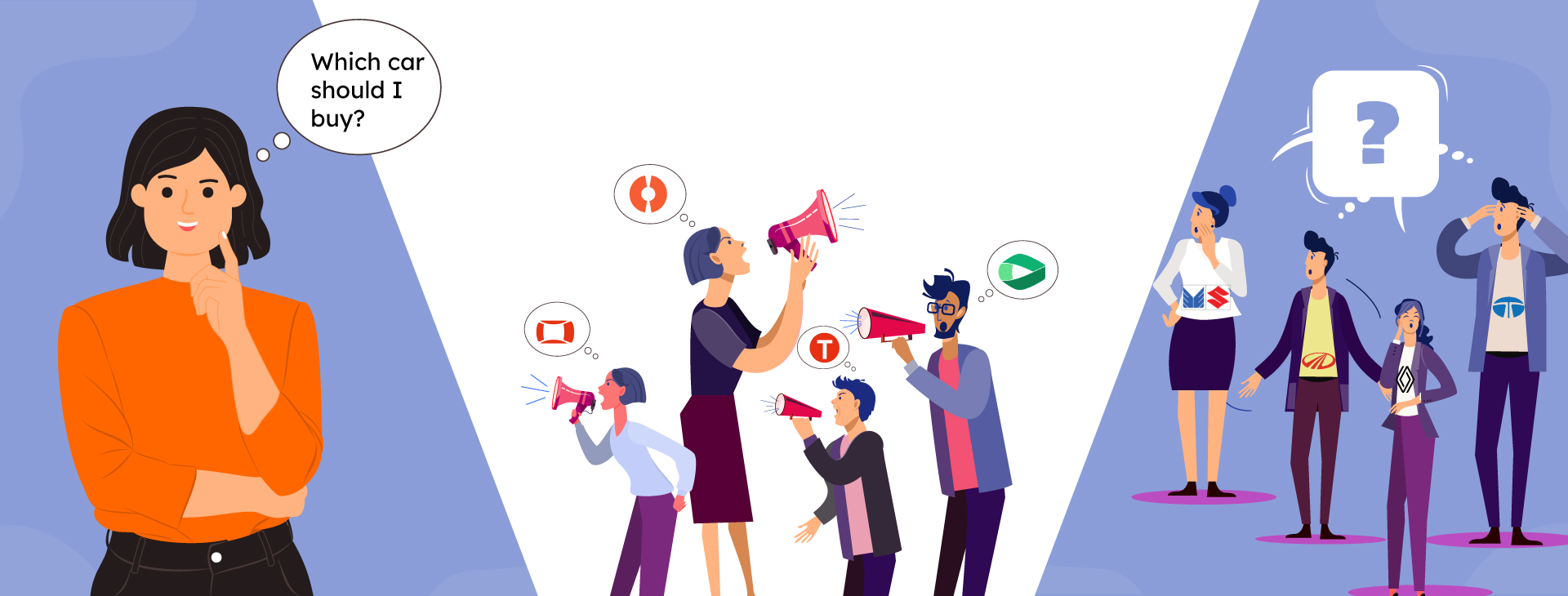
Finding: The real deal is bridging AI access with effective communication.

Long-form, machine-readable brand narratives structured for maximum signal per token. Built to be retrieved, cited, and compelling — because those are now the same requirement.

Video designed to generate the written discourse AI models learn from. Every frame has a textual afterlife. We plan for it in every brief.

Knowledge graph architecture, schema markup, entity disambiguation — the technical foundation that lets AI understand exactly who you are and why you are authoritative.

Continuous monitoring of how your brand appears across ChatGPT, Perplexity, Gemini, and Copilot. We track citation frequency, sentiment, and competitive share-of-voice — then act.
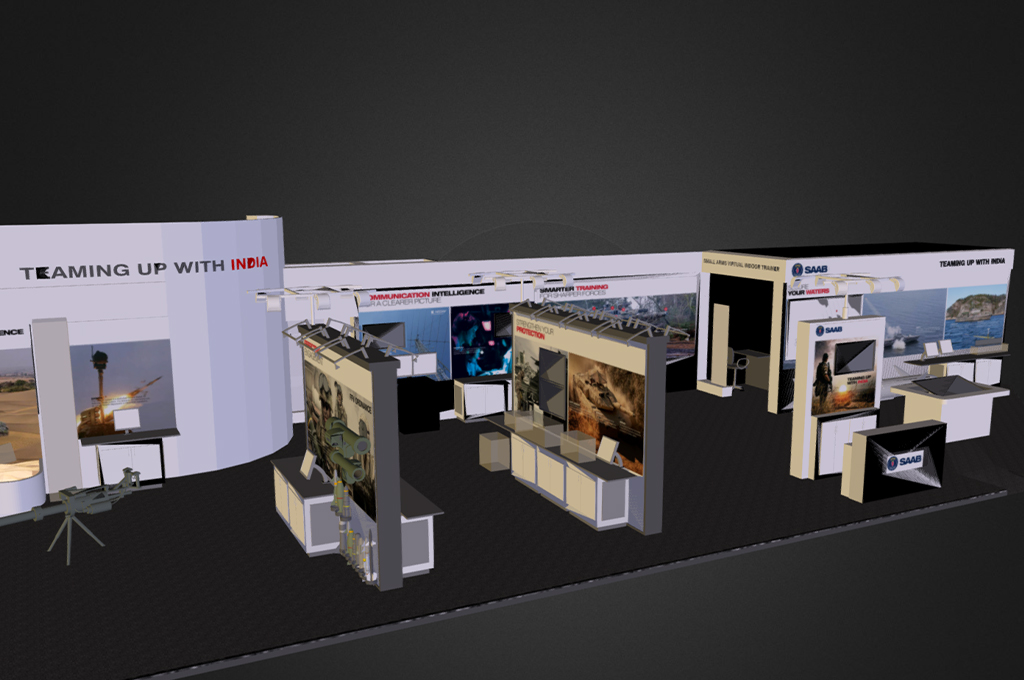
Purpose-built for AI retrieval, not just human browsing. Structured, authoritative, semantically rich — websites that function as canonical source documents.

Proprietary research into the gap between how your brand is described and how it is actually used — the intelligence that positions you for the next paradigm shift.
The question is not whether you will be recalled. The question is how — and whether you have any say in it. We can give you that say.